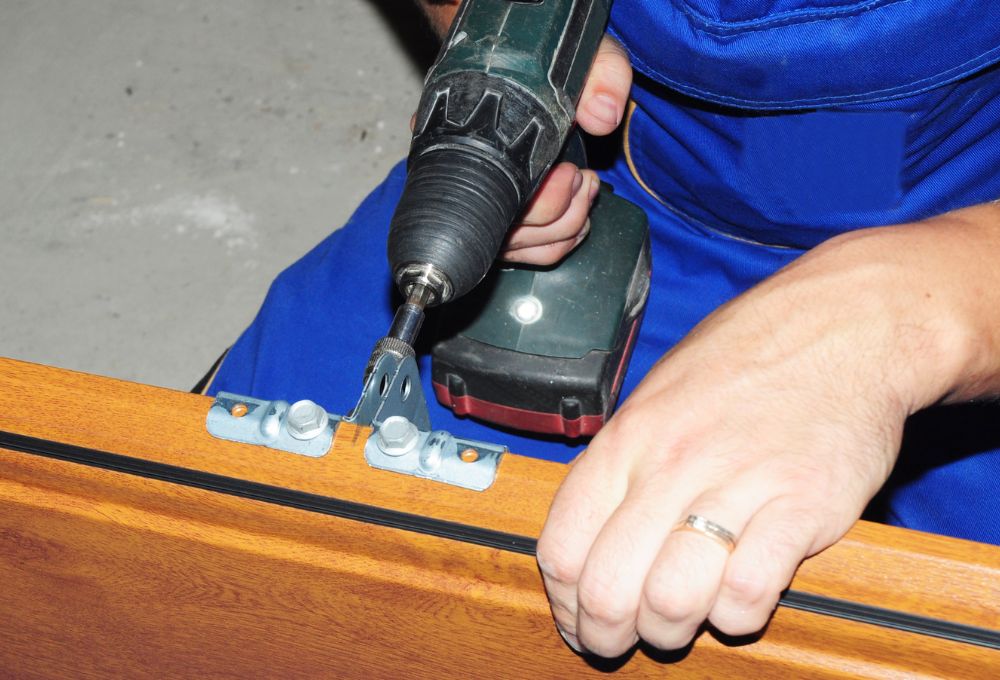
Many homeowners enjoy tackling projects on their own. Installing shelves or painting walls feels rewarding. A garage door, however, is larger and more complex. The idea of saving money often makes people consider DIY garage door installation. This decision often comes before understanding the full scope of the work involved.
This choice raises important questions. Is it safe to install a garage door without experience? Will the door work correctly over time? Can small mistakes create bigger problems later? These concerns matter because garage doors are heavy and under tension.
In this blog, we break down the pros and cons clearly. You will learn what DIY installation offers and where risks appear. We also explain when professional help makes sense. By the end, you can decide which option fits your home and skills best. This clarity helps you avoid costly mistakes and safety concerns.
Why Homeowners Consider DIY Garage Door Installation
Many homeowners look at installation projects as a way to save money. Labor costs can feel high, especially for large home upgrades. This often leads people to explore DIY garage door installation as a budget-friendly option. Online videos and guides make the process seem manageable, unlike the detailed steps used during professional garage door installation services. This perception can hide the technical steps required for safe installation.
Another reason involves personal satisfaction. Completing a major project can feel rewarding. Some homeowners enjoy learning new skills and working with tools. Installing a garage door may seem like a logical next step after smaller projects. Considering new garage doors yourself can make the task feel manageable.
Access to materials has also improved. Garage doors and hardware are easier to purchase online or locally. Instructions often come included with the door. While these factors encourage DIY efforts, they do not remove the complexity involved. Understanding why homeowners choose this route helps explain both the benefits and the risks that follow.
Key Pros and Cons of DIY Garage Door Installation
This section explains what homeowners gain and risk when choosing a do-it-yourself approach. Understanding both sides helps set realistic expectations before work begins.
Cost Savings and Personal Control
The main benefit of DIY garage door installation involves saving on labor costs. Homeowners control the schedule and pace of work. Some enjoy learning how parts fit together and operate. However, mistakes can offset savings quickly. Many issues later require help through garage door repairs, which can cost more than planned.
Safety Risks and Physical Demands
Garage doors weigh hundreds of pounds and use high-tension parts. Springs store energy that can cause serious injury. Without training, handling these parts becomes dangerous. Problems often relate to broken garage door springs, which require specialized tools and experience. Safety risks remain the biggest concern with DIY installation.
Quality of Installation and Long-Term Performance
DIY work can vary in quality. Small errors affect alignment, balance, and smooth movement. These issues may not appear immediately. Problems often develop gradually during regular use. Added strain increases wear on rollers and tracks. Over time, performance becomes less reliable.
Over time, poor installation increases wear on rollers, tracks, and openers. The door may become noisy or unreliable. Long-term performance depends on precise setup and testing. Professional installers follow steps that reduce future problems and extend door life.
Common DIY Mistakes That Lead to Problems
Many DIY installs fail due to missed measurements and alignment errors. Even small gaps can affect balance and movement. Homeowners often notice issues after installing new garage doors without proper leveling or spacing. These mistakes can cause the door to drift, bind, or wear unevenly over time. Early signs often appear as noise, resistance, or uneven lifting.
Another common issue involves opener setup. Incorrect force or travel settings strain the system. This problem appears when homeowners connect motors without proper adjustment. Learning how professionals handle garage door openers helps explain why precise setup matters for safe operation.
Testing and inspection often get overlooked. DIY installers may skip balance checks or safety tests. These steps confirm smooth movement and safe stopping. Skipping them increases risk and reduces door lifespan. Careful review after installation helps catch issues early and prevents costly repairs later.
Deciding If DIY Installation Makes Sense for Your Home
DIY installation can suit simple projects, but garage doors demand precision and testing. A careful review during a garage door safety inspection shows how many checks professionals perform. These checks confirm balance, alignment, and safe stopping. Homeowners often underestimate this scope, which raises risk when steps are skipped. That gap leads to avoidable errors during installs.
Costs also matter when choosing DIY. Initial savings can disappear after mistakes require garage door repairs. Extra parts, tools, and delays add expense. Hidden rework costs can exceed professional pricing during larger doors and multi-panel setups today. Unexpected downtime can also disrupt daily routines and increase stress.
Experience level should guide the decision. DIY success depends on tools, strength, and patience. Errors may not appear immediately. Over time, misalignment increases wear and noise. Weigh time, risk, and long-term reliability before committing to the project. Professional help often shortens timelines and improves results for heavy doors and safety-critical homes today, everywhere locally.
Making the Right Choice for Your Garage Door
DIY projects can feel rewarding, but garage doors require careful judgment. Weight, tension, and alignment affect safety. When DIY garage door installation goes wrong, problems appear fast. Knowing your limits helps protect your home and budget. Careful planning reduces risk and prevents unnecessary damage.
Professional installation offers consistency and testing. Technicians verify balance, movement, and safety features. They also spot issues that DIY work can miss. This support reduces noise, wear, and early failure over time. Proper installation also protects warranties and manufacturer guidelines. Reliable setup improves long-term performance and safety.
If you want guidance before deciding, a local expert can help. Clear advice removes pressure and confusion. Our team explains options and answers questions honestly. You can reach our local team directly to discuss your situation and choose a safe path. The right choice depends on skill, time, and risk tolerance.