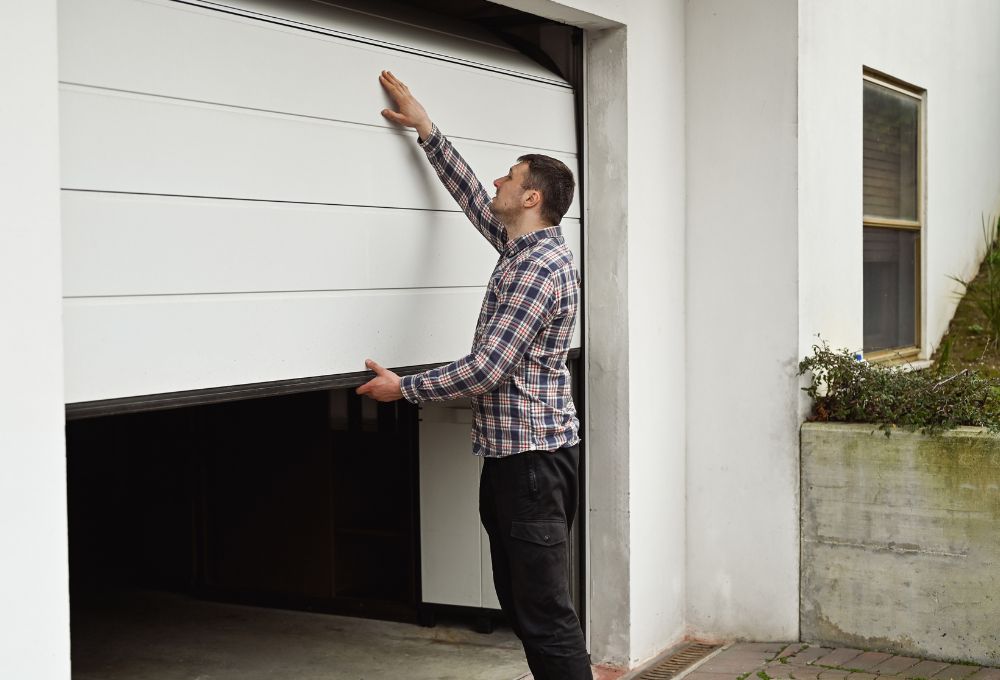


A garage door should open smoothly and quietly. When loud noises start during operation, it usually means something inside the system needs attention. Many homeowners ignore these sounds at first, assuming they are normal or temporary.
When a garage door makes a loud noise during opening, wear or misalignment is often the cause. Grinding, rattling, or squealing sounds signal that parts are under stress or no longer moving correctly. These noises rarely disappear on their own.
Understanding why a garage door makes loud noise helps homeowners act early. In this article, we explain common causes, how they affect performance, and when professional service becomes necessary.
Worn or Dry Moving Parts Create Excess Noise
A garage door makes loud noise when moving if the rollers, hinges, or bearings lack lubrication. These parts move every time the door opens. When lubrication dries out or components wear down, friction increases, and noise follows. Many homeowners discover this issue when scheduling professional garage door repairs after months of ignored sounds.
Metal rollers are a common noise source. As they age, they lose smooth rotation and begin scraping against the track. Hinges can also loosen, creating clicking or popping sounds during lifting.
Regular lubrication and hardware checks reduce noise significantly. However, once wear reaches a certain point, replacing worn components becomes the safest and quietest solution.
Loose Hardware and Track Misalignment Issues
Loose hardware and alignment problems create noise in different ways, which is why technicians evaluate each source separately when diagnosing loud garage door operation.
Loose Bolts and Fasteners
A garage door makes loud noise when bolts loosen throughout the system. Daily vibration slowly works fasteners loose, especially around hinges, brackets, and track mounts. As this happens, the door may rattle loudly during movement, often leading homeowners to schedule professional garage door repairs once the noise becomes consistent.
Track Alignment Problems
Misaligned tracks force rollers to fight against the door’s natural path. This resistance creates scraping or banging sounds that worsen over time. If ignored, track misalignment increases wear on rollers and can eventually lead to situations requiring off-track garage door repair.
Vibration and Door Instability
When hardware loosens and tracks shift, vibration increases during operation. Homeowners often notice the door shaking or feeling unstable as it opens or closes. These vibrations amplify noise and place extra strain on springs, rollers, and the opener.
In short, loose hardware and misaligned tracks rarely stay minor issues. Correcting alignment early reduces noise, protects moving parts, and keeps the garage door operating smoothly and safely.
Springs Under Stress or Nearing Failure
A garage door makes loud noise when the springs lose tension or begin to crack. Springs carry most of the door’s weight, and even slight weakness affects movement. When tension drops, the door struggles to lift evenly and places extra stress on the opener.
Strained springs often produce snapping or creaking sounds. These noises usually appear before complete failure, serving as an early warning sign. Many sudden breakdowns involve broken garage door springs after these warnings are ignored for too long.
Because springs operate under extreme tension, repairs should never be attempted without professional tools. Early inspection prevents injuries, costly emergency services, and additional damage to cables, rollers, and hardware.
Rollers, Cables, and Friction Points
A garage door makes loud noise when the rollers or cables wear unevenly. Rollers guide movement along the track, while cables support balanced lifting. When either component degrades, noise increases quickly.
Fraying cables may slap against nearby hardware during operation. Rollers with flat spots or corrosion create grinding sounds that grow louder with each cycle. These problems often require professional roller and cable repair to restore quiet operation.
Friction also builds up when dirt and debris collect in tracks. Cleaning helps temporarily, but worn components still need replacement to fully eliminate noise.
When Loud Noises Signal a Bigger Problem
A garage door makes loud noise that persists alongside jerky movement may signal deeper system problems. Balance issues or track displacement can cause sudden failure if left unaddressed, especially when daily use continues without inspection.
In some cases, excessive noise appears when doors slip out of alignment. This creates safety hazards and prevents proper operation. These situations may escalate into problems that require off-track garage door repair if ignored for too long.
Routine inspections catch these issues early. Prompt attention protects the opener, extends component life, and keeps the system safe for daily use under normal conditions.
Restore Quiet Operation with Precision Door of Santa Maria
A garage door makes loud noise for a reason, and ignoring it only allows damage to grow. Quiet operation means your system works efficiently and safely every day without added strain.
Our technicians identify exactly why a garage door makes loud noise and explain the solution clearly. We focus on the parts most likely to fail and correct issues before they become costly repairs.
If your garage door has become loud or unstable, schedule professional service today through Contact Precision Door. We will restore the smooth, quiet performance you can rely on long-term.