Many homeowners forget that their garage door works harder than almost any part of the home. It moves every day and supports heavy weight, yet most people only notice it when something goes wrong. This leads to issues that could have been caught much earlier.
Small problems often start quietly. A loose hinge, a weak spring, or a worn roller can seem harmless at first. Over time, these issues grow, and the repair becomes more expensive. What could have been a simple fix can turn into a major repair when left unseen.
Regular inspections stop these problems from getting worse. They help you avoid surprises and protect the door from early wear. In this blog, we explain how routine checks keep your door safe, reliable, and much more affordable to maintain over time.
How Routine Inspections Protect Your Garage Door
Inspections catch small issues before they turn into bigger problems. Technicians check parts that often fail silently, such as rollers, cables, hinges, and bearings. When these parts wear out, they put extra pressure on the rest of the system. Many homeowners choose routine support through professional garage door repairs to keep these parts in good working order.
Inspections also improve daily safety. A door that moves unevenly or shakes during lifting may have hidden stress points. Checking alignment, sensors, and opener response prevents sudden failures. Some homeowners pair these checks with a complete safety inspection to confirm that every part is working smoothly.
Finally, routine inspections help you avoid costly damage. Fixing a small issue now is always more affordable than waiting for a major breakdown. Regular checks keep your door balanced, reduce strain on your opener, and help the system last longer with fewer repairs.
What Professionals Look For During an Inspection
This section shows what technicians check during an inspection and why each step matters for long-term safety and savings.
Hardware and Moving Parts
Technicians check rollers, cables, hinges, and tracks for early wear. These parts handle the weight of the door, so even small damage can add stress to the entire system. Worn hardware also creates noise and uneven movement, which often leads homeowners to explore help through roller and cable services.
Springs and Balance Testing
The springs carry most of the door’s weight, so their condition is important. Professionals test the balance and tension to see if the door lifts smoothly. Any weakness in this area becomes costly if ignored, especially when problems relate to older or broken springs.
Opener and Sensor Review
Experts review the opener, sensors, and safety features to make sure everything responds correctly. Slow movement, delayed signals, or sensor issues are often early warning signs that something needs attention. These checks help prevent sudden breakdowns that disrupt daily use.
In short, a full inspection covers every part of your system. This process helps prevent major repairs, extends the life of your door, and keeps your home safe.
Practical Maintenance Tips for Homeowners
Listening for changes is one of the easiest ways to spot trouble early. Grinding, clicking, or shaking sounds often point to wear on moving parts. Many homeowners learn more about these noises when reviewing common issues described under noisy door problems because they can lead to bigger damage if ignored.
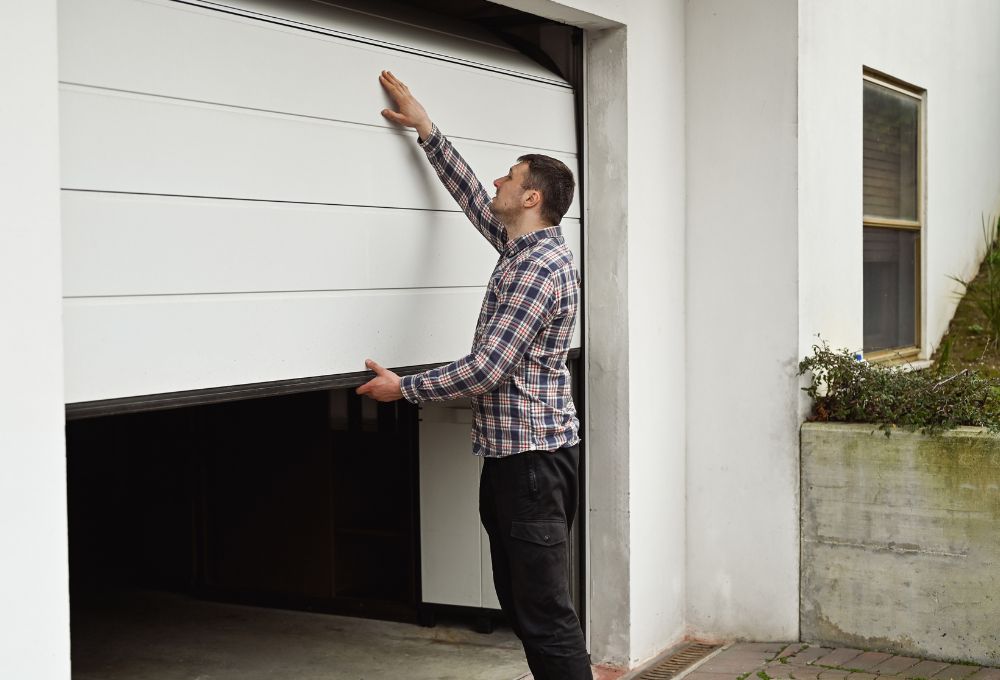
Checking your door visually also helps. Look for gaps between panels, loose hinges, or uneven tracks. A quick look at the hardware can reveal problems that need attention. If you notice the door struggling or slipping out of place, our off-track doors page explains how these issues develop.
Pairing small fixes with professional service also keeps your door working longer. Cleaning the tracks, tightening screws, and watching for unusual movement can slow down wear. These simple steps work well when combined with regular inspections.
When It’s Time to Schedule an Inspection.
You should schedule an inspection when the door starts making new or unusual noises. Grinding, popping, or shaking often means a part is wearing out or slipping out of place. These issues can connect to worn hardware described under parts and accessories, which need attention before they cause further damage.
Another sign is uneven movement. A door that tilts, sticks, or moves slowly may have deeper problems. Misaligned panels, weak springs, or stressed tracks can make the system unsafe. Some homeowners explore the garage door openers section to check whether the opener or the door itself is causing the issue. Acting early prevents sudden breakdowns.
Seasonal or yearly inspections also help keep repair costs low. Even if the door seems fine, hidden issues can build up over time. A simple inspection helps homeowners avoid big repairs and keeps the system running smoothly throughout the year.
Protect Your Budget with Precision Door Santa Maria
Regular inspections do more than keep your door safe. They help you avoid surprise repairs and protect your home from preventable damage. When your door stays balanced and well-maintained, your entire system lasts longer and works smoothly every day.
Our team provides complete inspection and repair support. We review every part of your system, explain what we find, and guide you through the safest and most affordable options. Whether your door needs a quick adjustment or a deeper fix, we make the process simple and stress-free.
If you want a clear and honest evaluation, our experts are ready to help. Schedule your service through our Santa Maria contact page and get the care your home deserves.